Web platforms

Websites and web platforms that load fast, rank well and connect to the systems you already run.

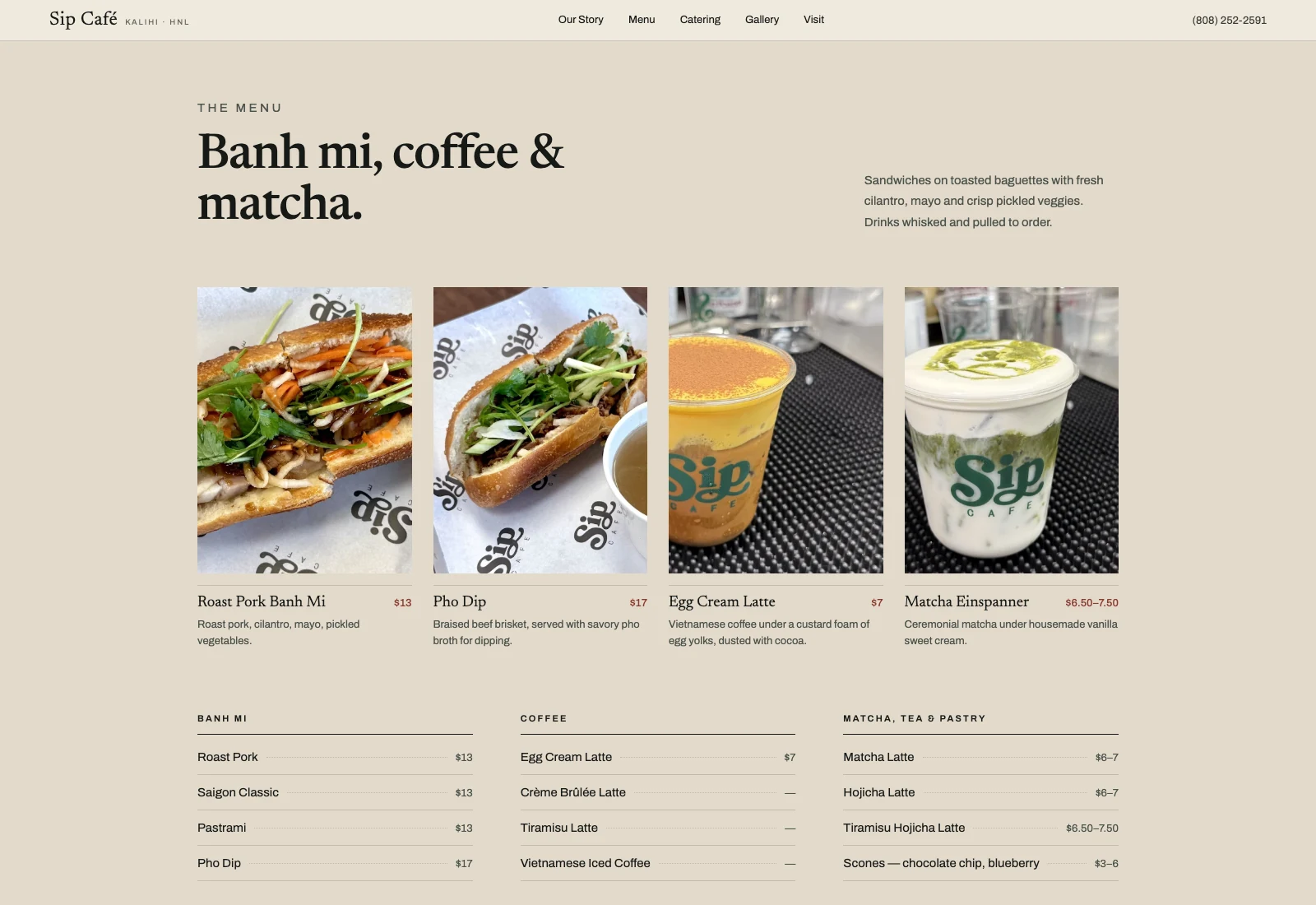
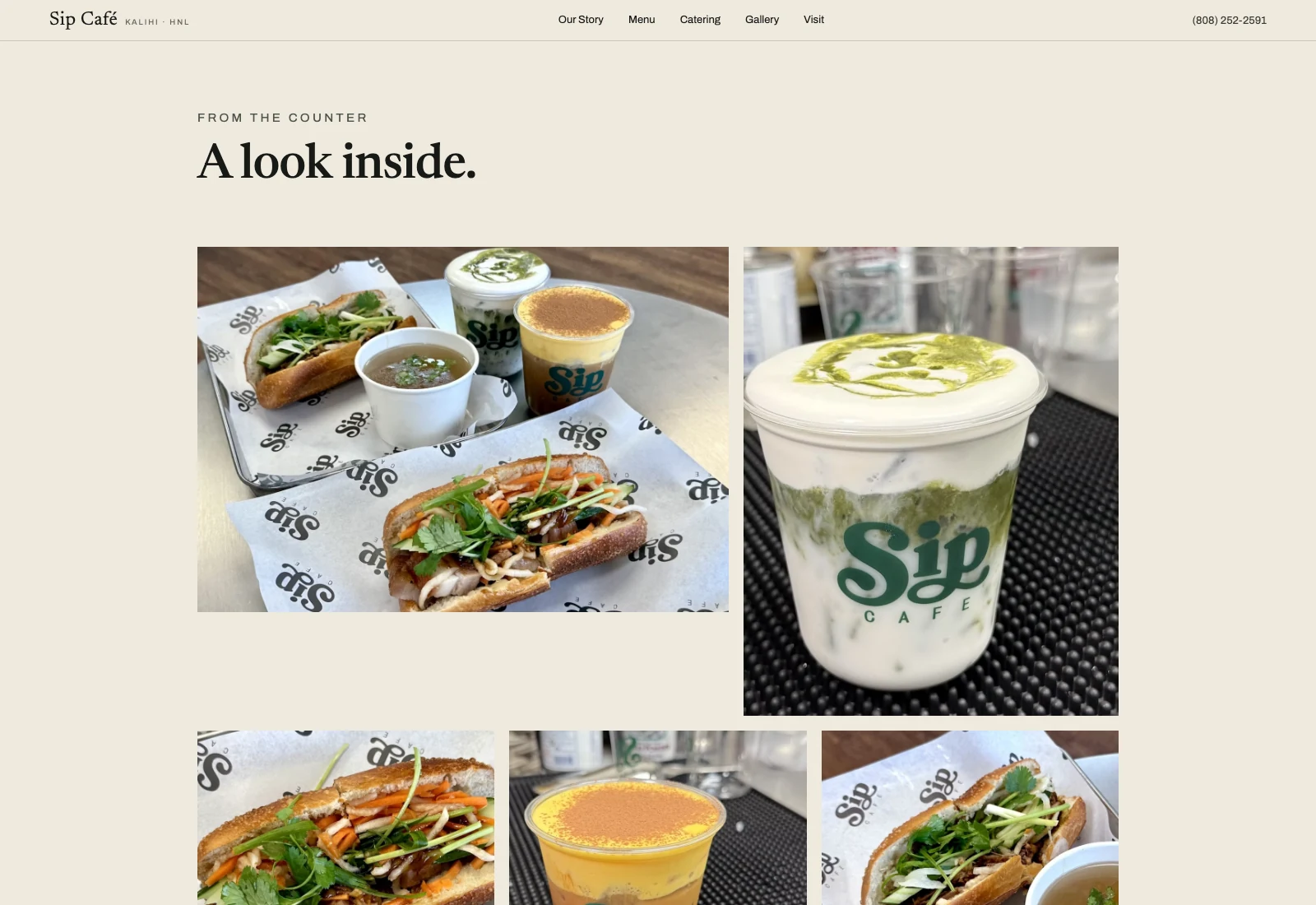
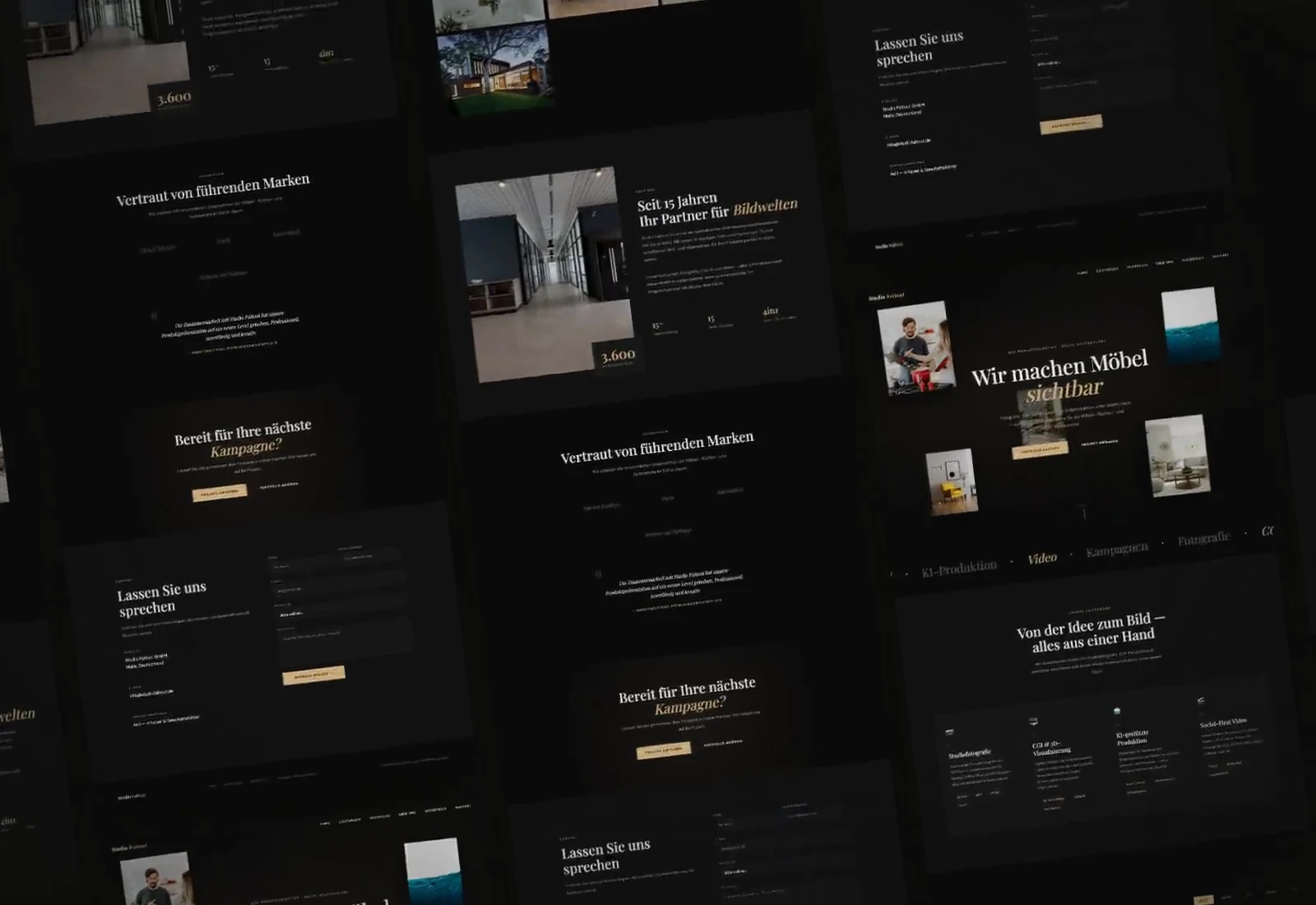
Your website is usually the first serious conversation a buyer has with your company, and most of them are having it on a phone, on a patchy connection, while comparing you with two competitors. We build sites that answer their questions quickly, hold up on every screen, and leave your team able to change the words without calling a developer. We work in whichever platform suits the job, rather than selling you the one we happen to like.

Discuss your project

What you can expect

  • Pages that load in under two seconds on a mid-range Android phone
  • Search structure planned before design, so every page has a job to do
  • Content your team edits themselves, without breaking the layout
  • A measurable path from visitor to enquiry, not just a prettier brochure

Platforms we build on

We recommend the platform by who edits the site and what it has to do, and we are comfortable on all of these, so the advice is not shaped by the tool we happen to prefer.

React and Next.js

Fast, search-friendly sites and applications with full control over design and behaviour. The base for portals, dashboards, calculators and anything that talks to your own data.

Right whenThe site has to do real work, or you have outgrown what a template can express.

Webflow

Design-led sites with clean animation and a visual editor your marketing team can use. We build the structure and CMS collections, then hand over a site your team can extend without writing code.

Right whenMarketing wants to change layouts and launch pages without waiting for a developer.

WordPress

A custom theme rather than a bloated page builder, only the plugins you need, sensible editor screens, and hosting and backups set up so the site stays quick and safe.

Right whenYou publish often, have years of content, or your team already knows WordPress.

Shopify and WooCommerce

Storefronts set up around how you actually sell: catalogue structure, variants, shipping and tax rules, payment gateways for Indian and international buyers, and a checkout that converts.

Right whenYou sell products online and want a platform that scales with the catalogue.

Headless CMS

Sanity, Contentful or Strapi behind a fast front end, so editors get a clean writing experience and the site stays quick and secure.

Right whenContent is reused across a site, an app and other channels, or performance is a priority.

Astro and static sites

Pages that are pre-built and served instantly, with almost nothing to hack or slow down. This site is built this way.

Right whenThe site is mostly content and needs to be extremely fast, cheap to host and hard to break.

Beyond the brochure

Sites that do work, wired into your accounting, CRM and payments.

A modern business site is often the front of a system: it takes bookings, quotes, orders and payments, and passes them to the software you already run. That is where the hours are saved.

  • Customer portals

    Customers sign in to see orders, invoices, documents and history, without phoning your team to ask.

  • Accounting sync

    Invoices and payments move between the site and QuickBooks, Xero, Zoho Books or Tally, so nothing is typed twice.

  • Booking and quoting

    Live availability, deposits and instant quote calculators that feed your calendar and CRM.

  • Leads straight into your CRM

    Every form, chat and call-back request lands in HubSpot, Zoho or Salesforce with source and context attached.

  • Internal dashboards

    Admin panels that show orders, enquiries and numbers from your own data, instead of a spreadsheet mailed on Fridays.

  • Speed and SEO built in

    Structured pages, schema, redirects mapped page by page and Core Web Vitals treated as a requirement from day one.

What we connect

Third-party tools we connect to sites and web apps. If yours is not listed and it has an API or an export, we can almost certainly connect it.

Accounting and finance

  • QuickBooks
  • Xero
  • Zoho Books
  • Tally
  • FreshBooks

CRM and sales

  • HubSpot
  • Salesforce
  • Zoho CRM
  • Pipedrive
  • Google Sheets

Payments and checkout

  • Razorpay
  • Stripe
  • PayPal
  • PayU
  • Cashfree
  • UPI and netbanking
  • Apple Pay and Google Pay

Booking and communication

  • Calendly
  • Cal.com
  • Google Calendar and Meet
  • Zoom
  • WhatsApp Business
  • Twilio

Marketing and email

  • Mailchimp
  • Klaviyo
  • Brevo
  • ActiveCampaign
  • Meta Pixel
  • Google Ads tracking

Content and measurement

  • Sanity
  • Contentful
  • Strapi
  • Google Analytics 4
  • Search Console
  • Microsoft Clarity

What we build

Marketing and company websites

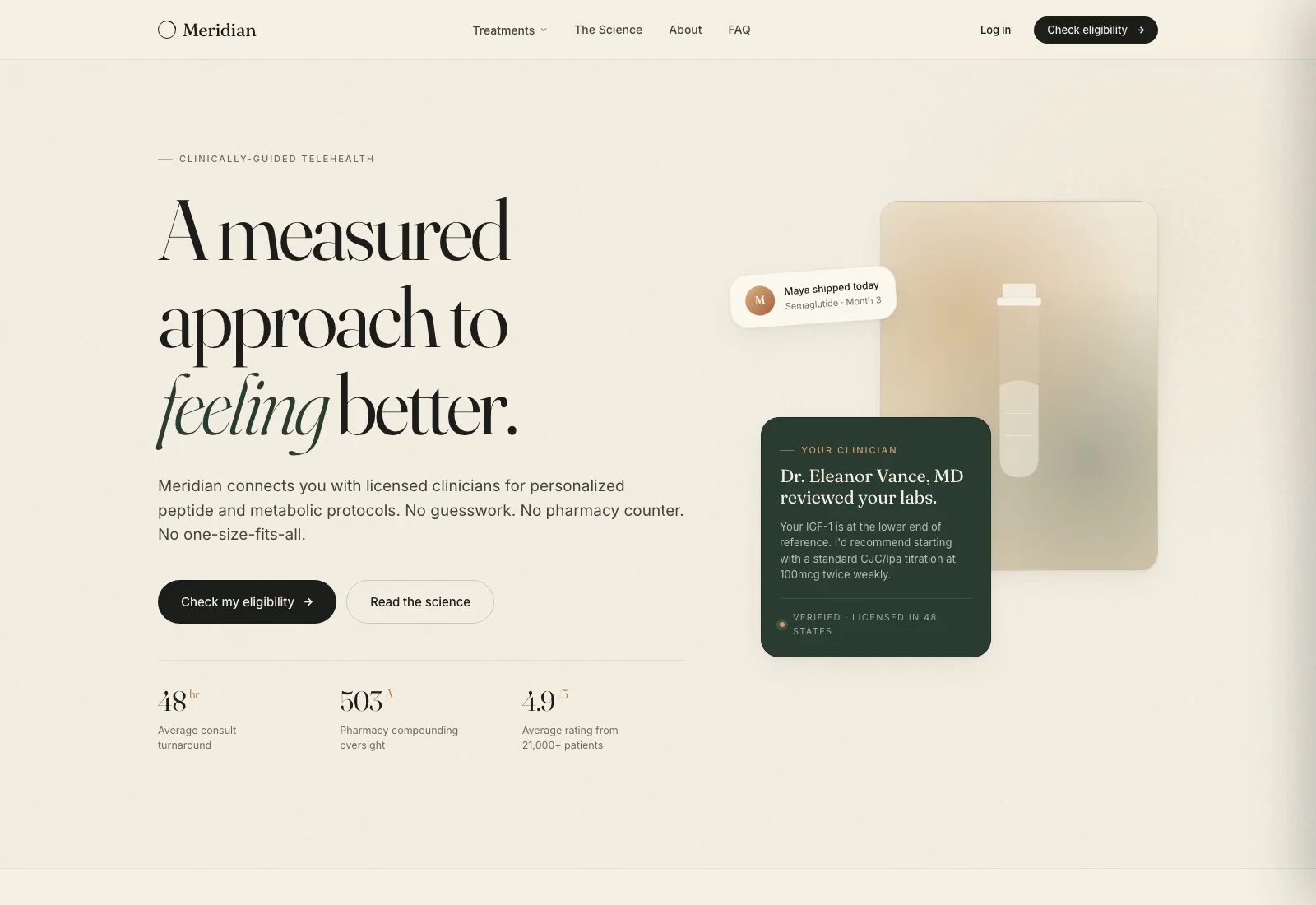
Positioning-led sites for firms where trust decides the sale: finance, healthcare, legal, construction, manufacturing and professional services. Structured so a serious buyer can check you out in one sitting.

E-commerce storefronts

Product catalogues, variants and bundles, payment gateways, shipping rules, offers and abandoned-cart recovery, on Shopify, WooCommerce or a custom stack when the catalogue is unusual.

Web applications and portals

Booking systems, customer dashboards, order tracking, quoting tools and internal admin panels, connected to the data and systems you already run on.

Rebuilds and migrations

Moving slow, insecure or hard-to-edit sites onto a modern stack with redirects mapped page by page, so the rankings and backlinks you have paid for over the years survive the move.

Speed and Core Web Vitals work

Diagnosing why an existing site is slow, then fixing it: images, fonts, scripts, render-blocking code and hosting. Often the cheapest way to lift enquiries from traffic you already have.

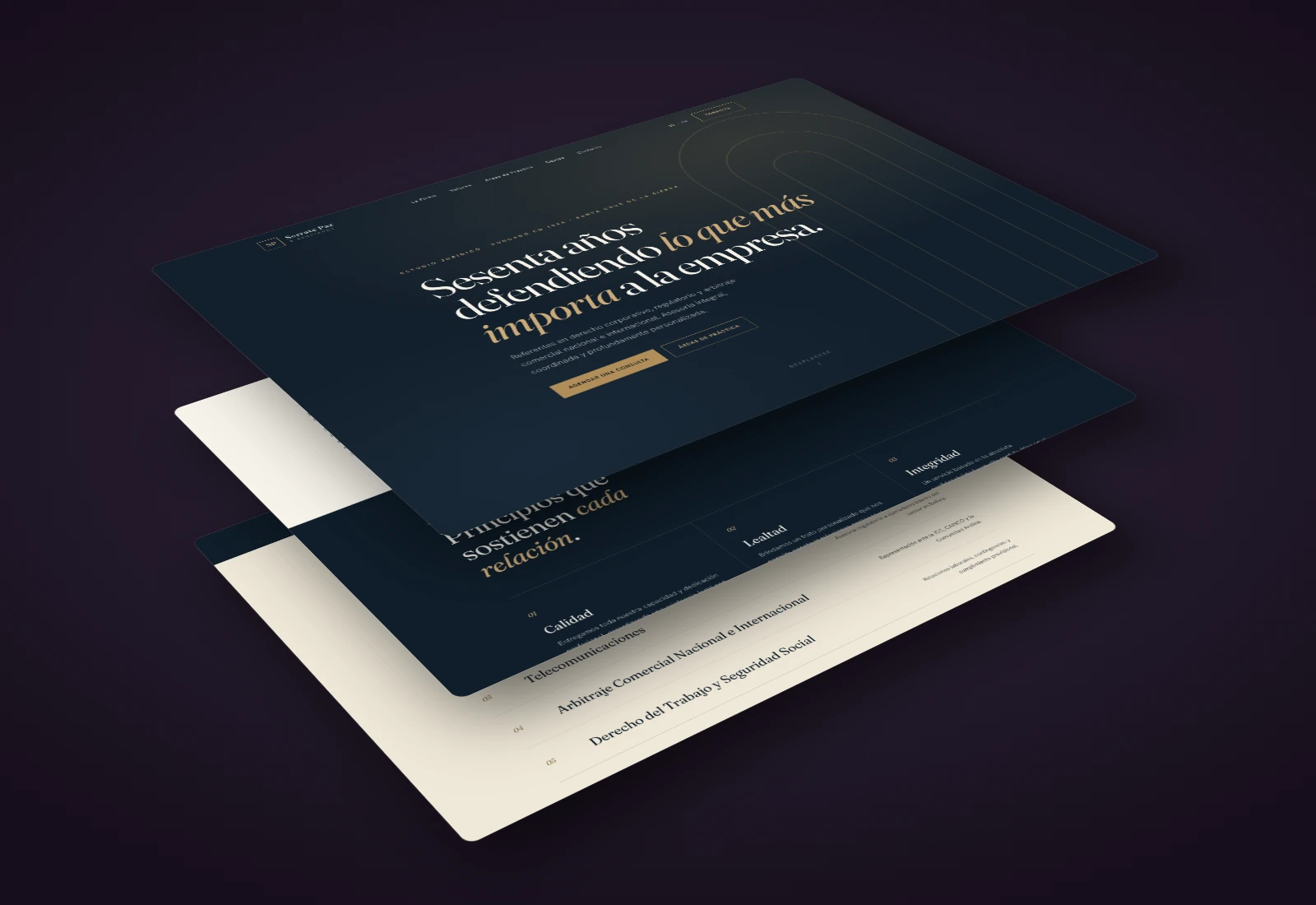
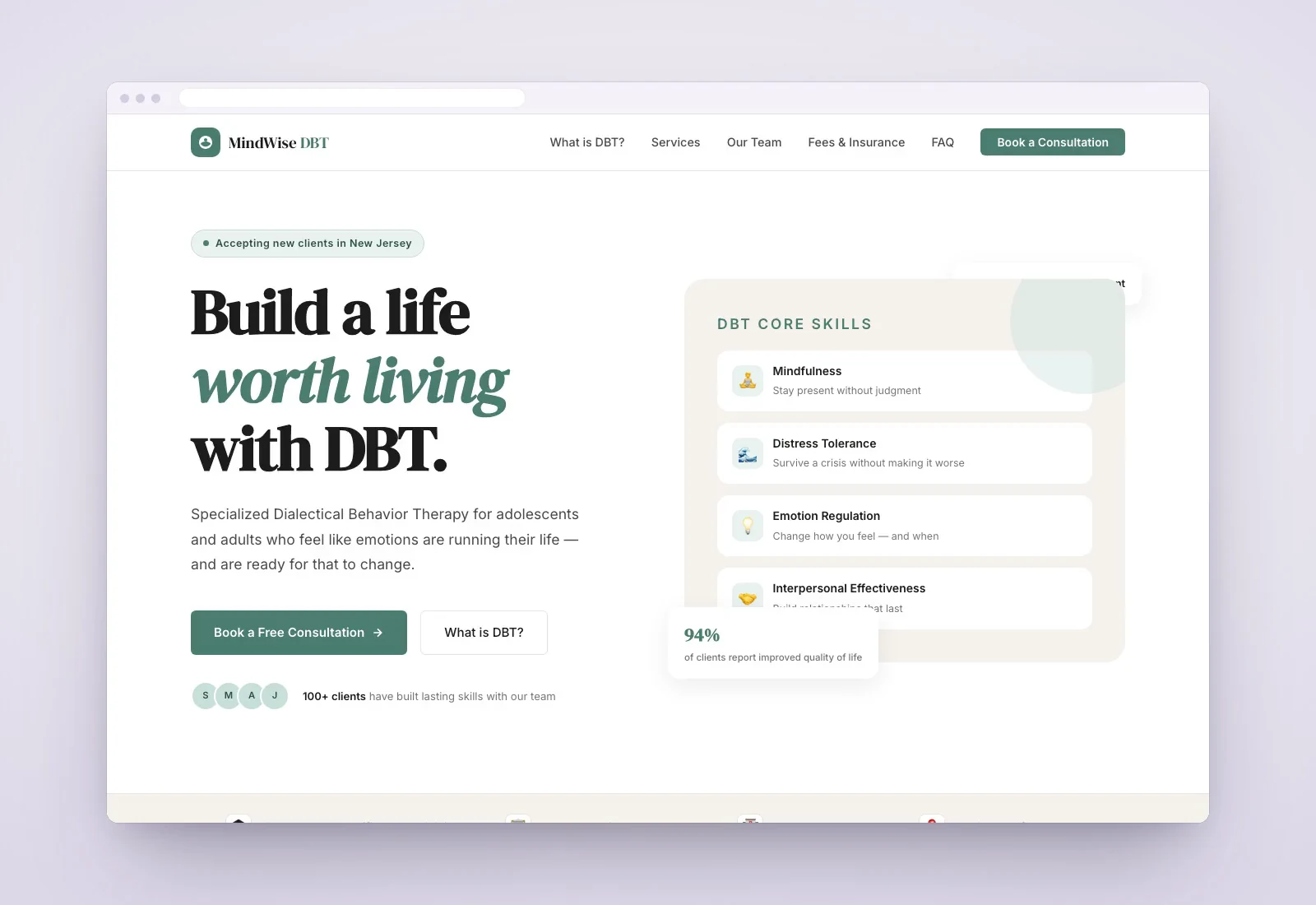
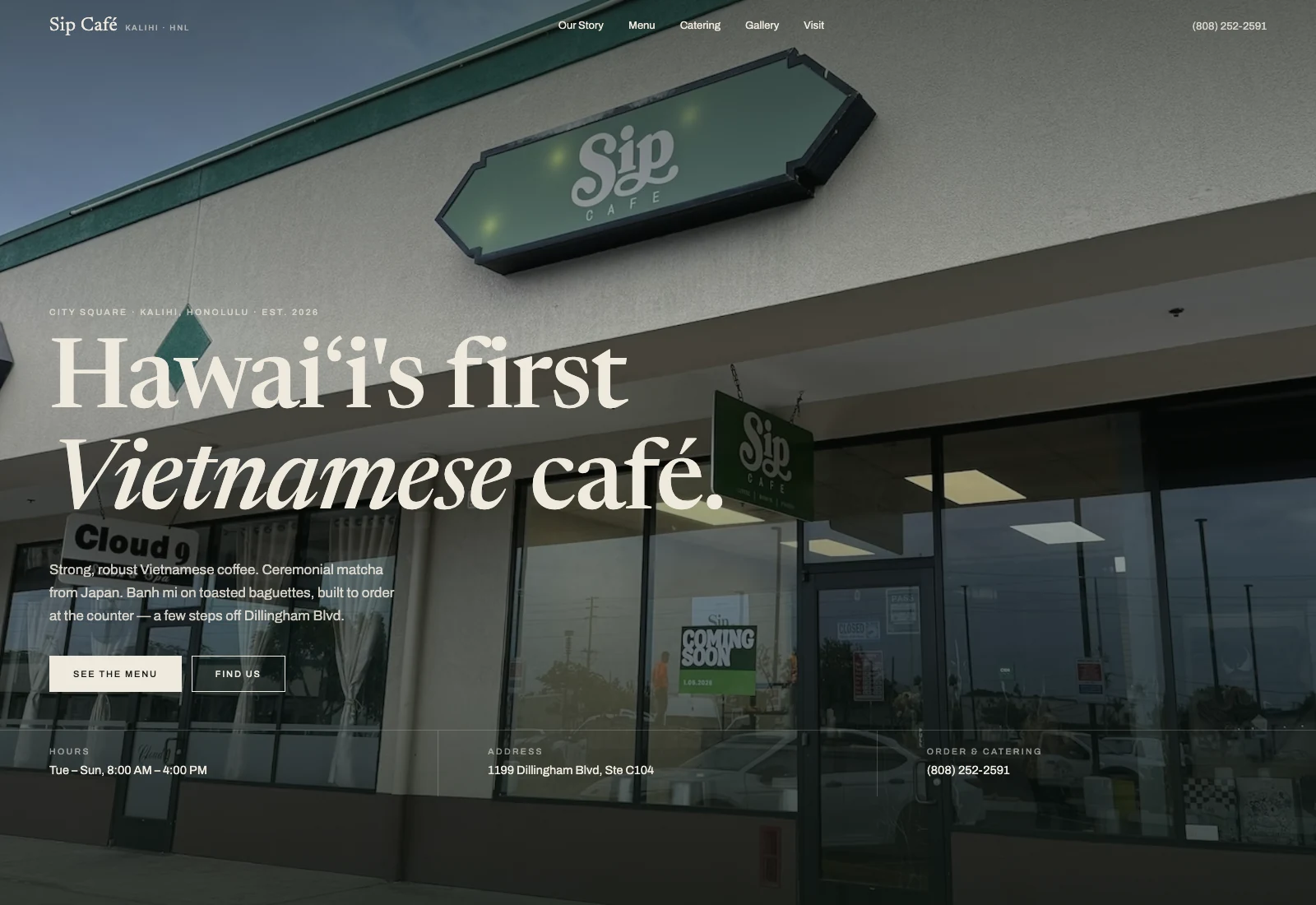
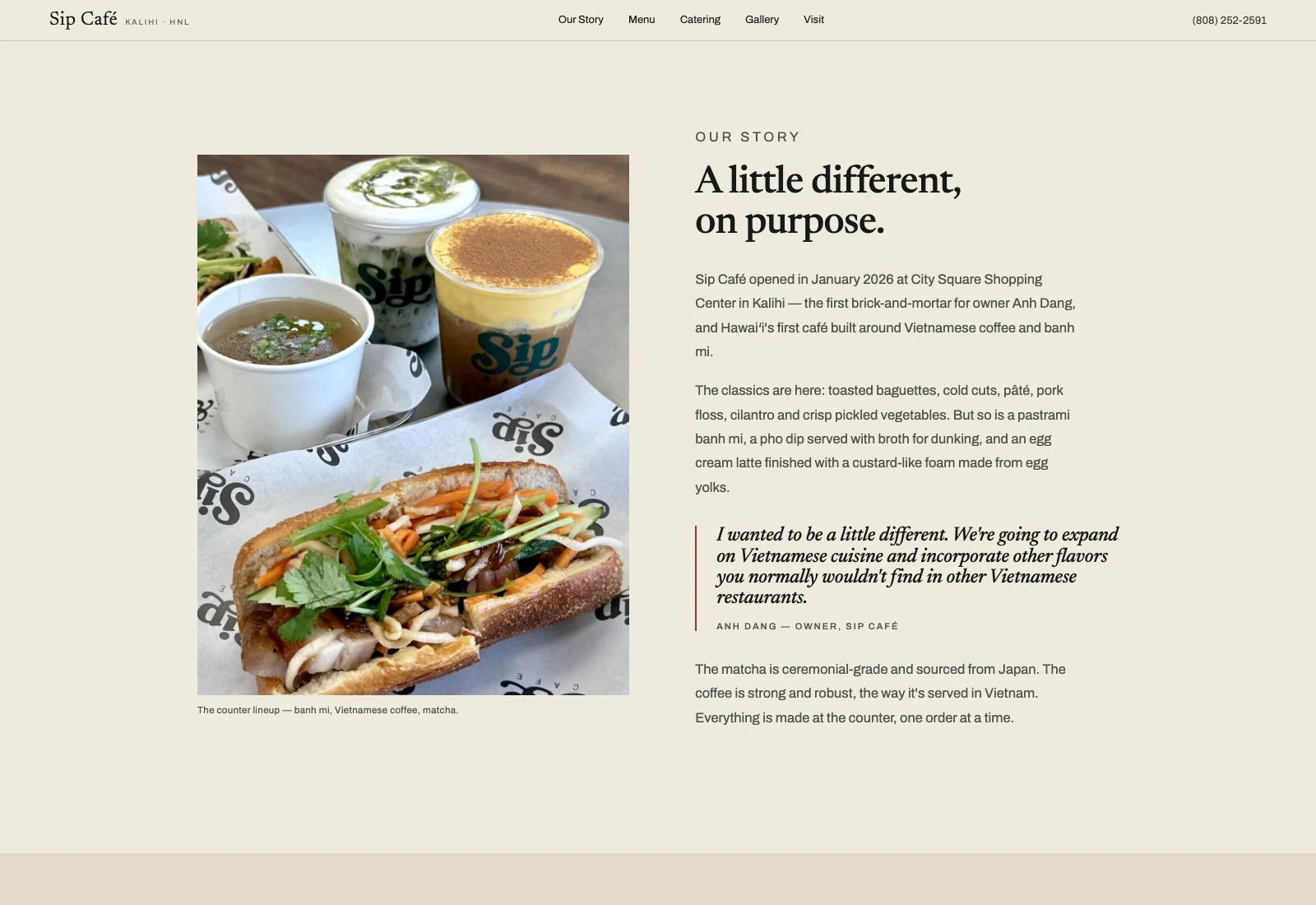
Recent builds

Tools we use

Questions

How long does a website project take?

A focused company website usually takes four to six weeks from discovery to launch. A storefront with a large catalogue, or a portal with logins and payments, is planned in phases so something usable goes live early rather than everything arriving at the end.

Which platform will you recommend for us?

It depends on who edits the site and what it has to do. If you publish weekly and have years of content, WordPress usually wins. If marketing wants to change layouts without a developer, Webflow. If you are selling products, Shopify or WooCommerce. If the site is really an application, a custom build. We tell you the trade-offs before you commit, including what each one costs to run.

Will I be able to edit the content myself?

Yes. Every site ships with the editor set up around the pages your team actually changes, with fields that cannot break the layout, plus a short walkthrough and written notes for whoever joins later.

Do you handle SEO?

Technical SEO is part of every build: page structure, metadata, schema, internal linking, sitemaps, speed and analytics. If you are migrating, redirect mapping is treated as a first-class task rather than an afterthought. Ongoing content and ranking work is available as a separate engagement.

Can you work with our existing brand or designer?

Yes. We can design from your brand guidelines, build from Figma files your team or agency has already made, or handle both design and build when there is nothing to start from.

What happens after launch?

You own the site, the domain and the accounts. Monthly care covering updates, backups, security, uptime monitoring and small changes is available, and you are not locked into it.